Two Weeks in Italy: The Best Luxury Itinerary
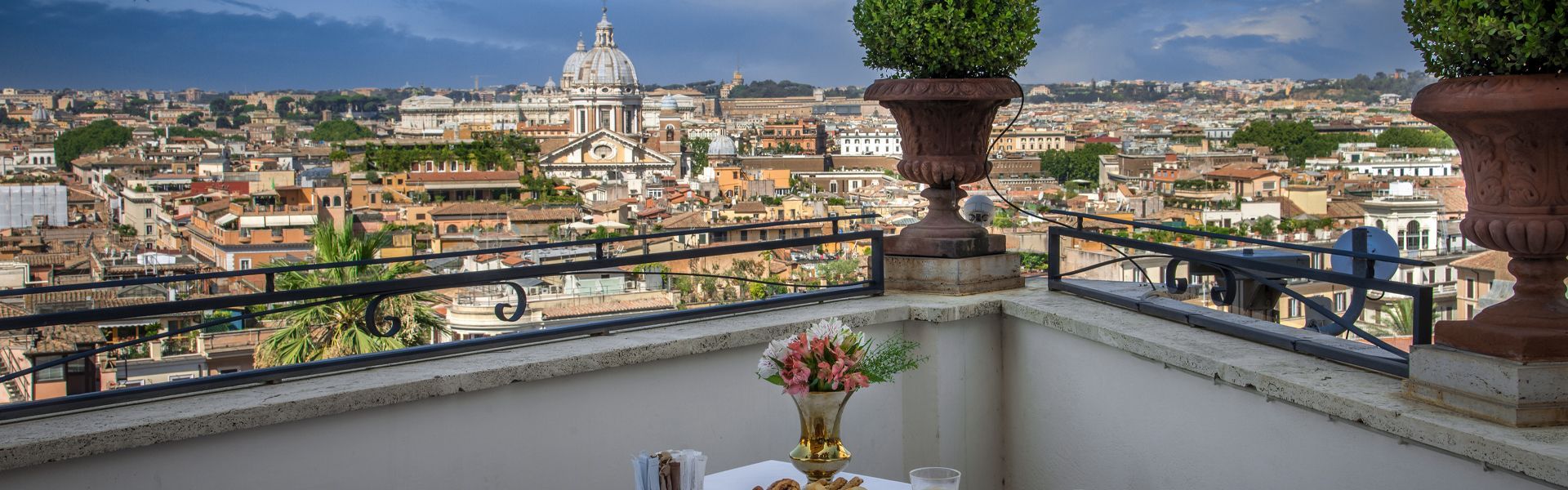
The best two weeks in Italy itinerary combines important cultural cities with enough time to slow down in the countryside and beside the water. For a first luxury trip, Rome, Florence, Tuscany, Venice, and Lake Como provide history, art, food, regional character, and a relaxed finish without forcing travelers to cross the country repeatedly.
This sample route covers 14 days and 13 nights. It uses high-speed trains between major cities and private transfers where rail travel becomes less convenient. Exact journey times depend on schedules, hotel locations, and the chosen lakeside or countryside base.
Two-Week Italy Itinerary at a Glance
| Days | Destination | Nights | Main Focus |
|---|---|---|---|
| 1–3 | Rome | 3 | Ancient history, the Vatican, neighborhood life |
| 4–5 | Florence | 2 | Renaissance art, food, artisan culture |
| 6–8 | Tuscany | 3 | Wine country, hill towns, slower days |
| 9–10 | Venice | 2 | Canals, art, private boat time |
| 11–13 | Lake Como | 3 | Lakeside towns, boating, relaxation |
| 14 | Departure | — | Transfer to the airport |
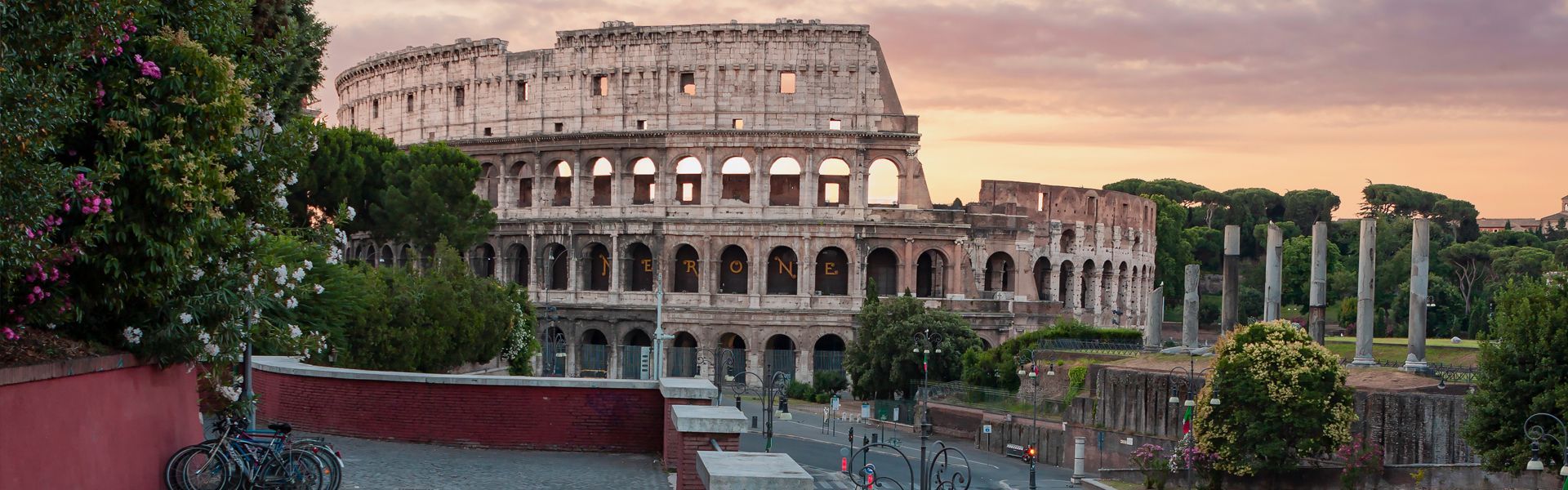
Days 1–3: Begin in Rome
Arrive in Rome and take a private transfer to the hotel. Keep the first afternoon open. After an overnight flight from the United States, a short walk and an early dinner are usually more enjoyable than immediate sightseeing.
Use the next two days for focused private touring. One day might cover ancient Rome, while another centers on the Vatican and historic center. Avoid squeezing every famous landmark into the schedule. Rome is best when guided context is balanced with time for neighborhood walks, lunch, and an evening without a timetable.
A central hotel is worth prioritizing. Being able to walk to dinner or return easily between activities often adds more value than choosing a grand property far from the places you plan to visit.
Days 4–5: Travel to Florence
Take a high-speed train from central Rome to Florence. Direct services commonly complete the trip in roughly 90 minutes, making rail more practical than flying or arranging a driver for the entire journey.
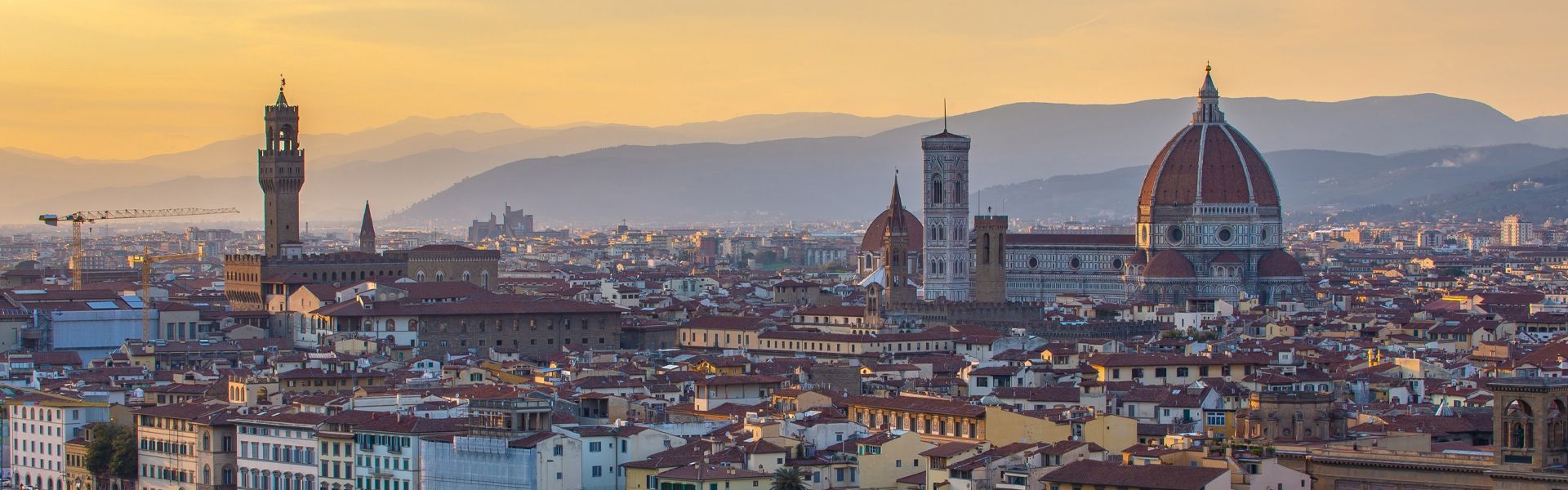
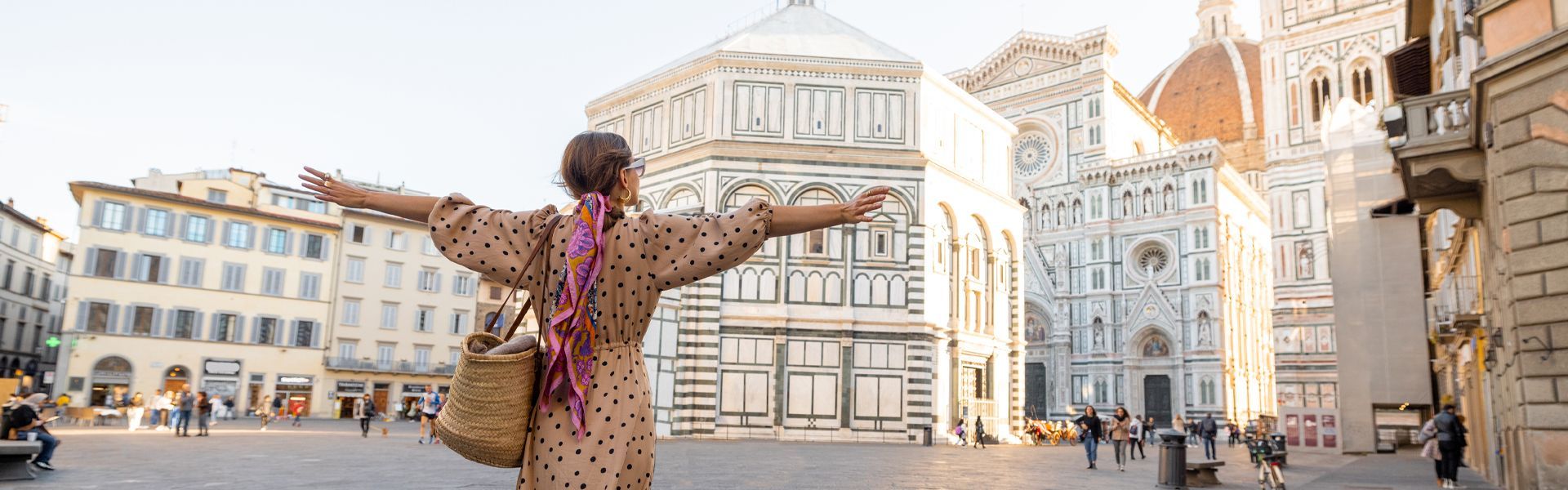
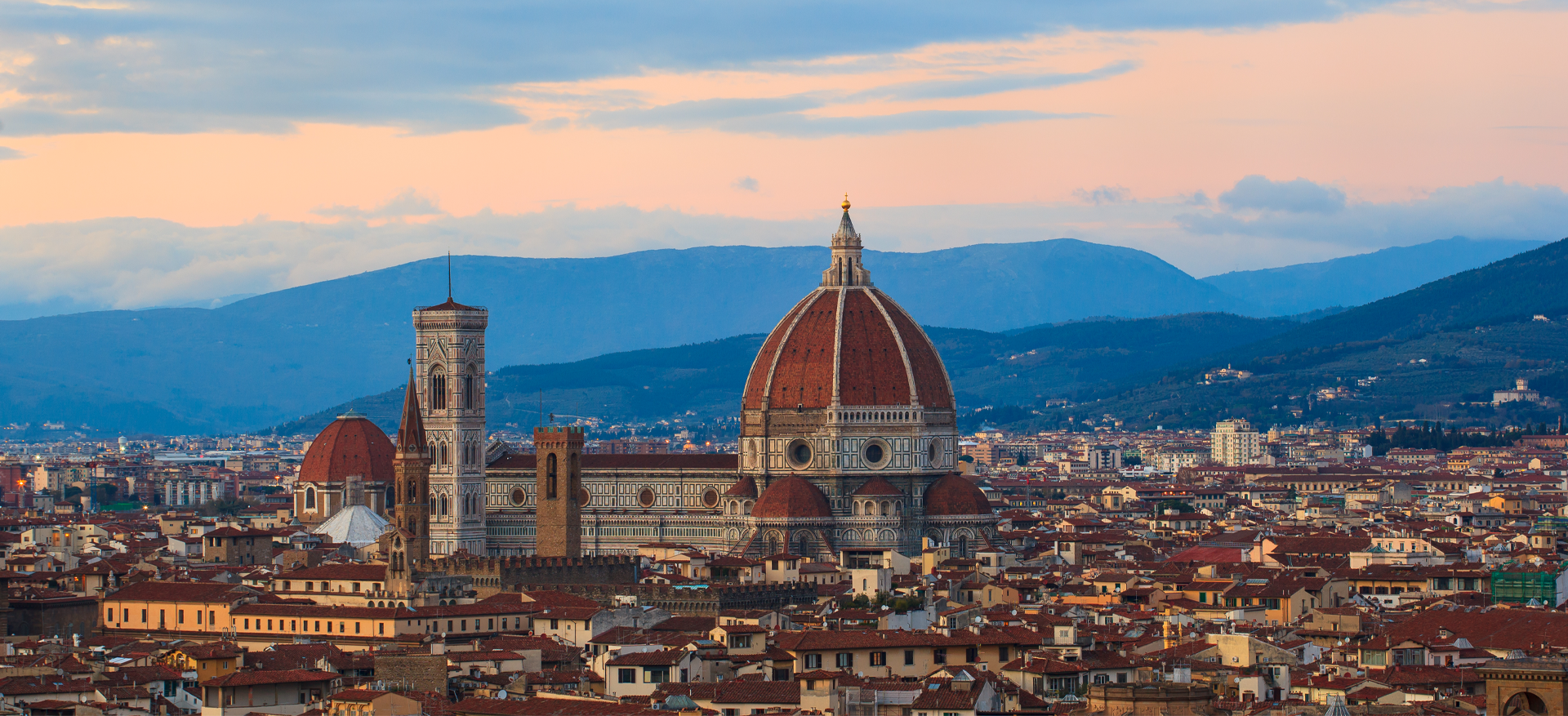
Spend the arrival afternoon getting oriented. The following day, choose a focused private tour of Florence’s art, architecture, and political history rather than attempting to cover every museum.
Leave time for artisan workshops, shopping, or a walk along the Arno. Two nights can work because the next part of the itinerary continues into Tuscany. Travelers with a strong interest in Renaissance art should consider adding a third night.
Days 6–8: Slow Down in Tuscany
Transfer from Florence to a countryside hotel, villa, or estate. Depending on the property, the drive may take approximately one to two hours.
Use one day for a privately driven wine-country experience combining a winery, lunch, and a nearby hill town. A second day might include a cooking experience, artisan visit, or time in another part of the countryside.
Do not fill every hour. Tuscany is one of the places where an unscheduled afternoon at the property can be as rewarding as a formal tour. Three nights creates enough time to appreciate the landscape rather than simply driving through it.
Days 9–10: Continue to Venice
Travel from the countryside to a convenient rail station, then take a high-speed train to Venice. Depending on the hotel location and train connection, the complete hotel-to-hotel transition may take four to five hours.
Begin Venice with a privately guided walk that explains how the city’s neighborhoods, trade history, and waterways developed. On the second day, consider a private boat outing or a focused art experience.
Venice deserves at least two evenings. Once many daytime visitors leave, the city feels quieter and more personal. Leave room to walk without a strict destination. Getting slightly lost is often how travelers find the Venice they remember most clearly.
Days 11–13: Finish at Lake Como
Take a high-speed train from Venice toward Milan, then continue to the selected lakeside town by train or private transfer. Allow approximately four hours for the full transition, although the exact timing depends on the final hotel.
Stay in one lakeside base for all three nights. Use ferries or a private boat to explore neighboring towns, then return to the hotel for an unhurried afternoon.
One day can include a private boat outing, while another remains mostly open. Lake Como works best as a place to settle into, not as a rushed day trip. Its role in this itinerary is to soften the pace before the flight home.
Day 14: Depart Italy
Choose the departure airport based on the final hotel and available flights. From Lake Como, a Milan-area airport will generally create a more practical departure than returning to Rome.
Avoid scheduling a long cross-country transfer on the final day. The last hotel should support a straightforward airport journey with enough time for check-in and unexpected traffic.
What Can You Swap in This Itinerary?
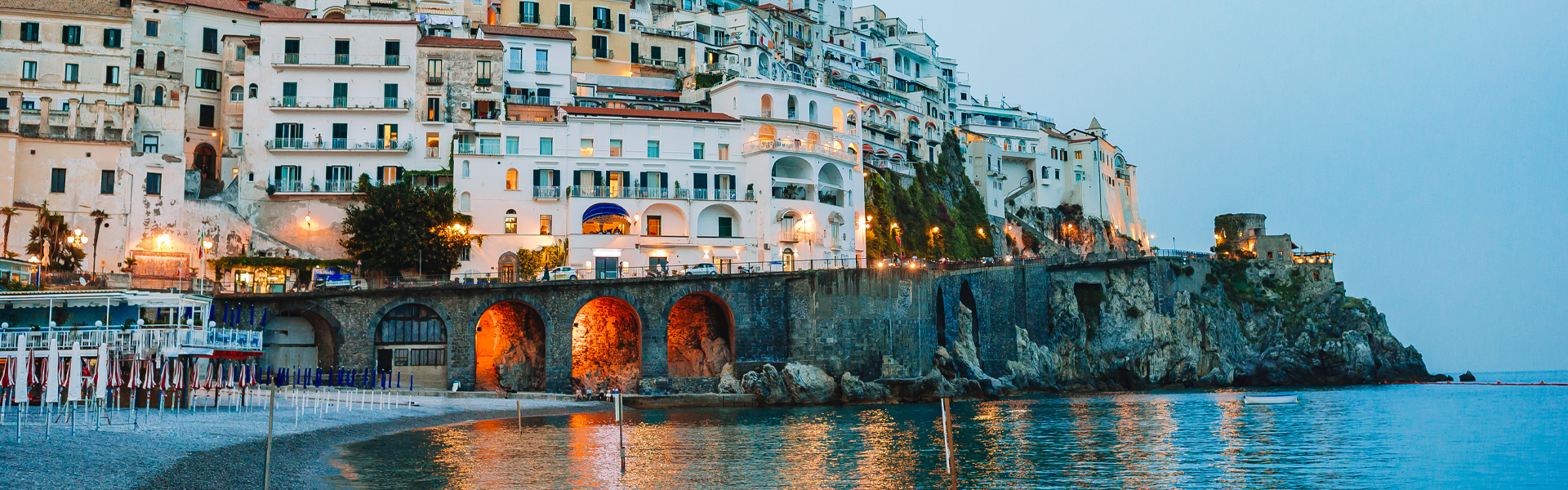
Swap Lake Como for the Amalfi Coast: Best for couples who prefer dramatic coastal scenery and private boat time. The route should be reordered to avoid crossing Italy unnecessarily.
Swap Venice for Bologna: A strong choice for travelers focused on regional food, markets, and a less complicated city stay.
Swap Tuscany for Umbria: Suitable for travelers interested in hill towns, countryside landscapes, and a quieter regional experience.
Add more time in Rome or Florence: Remove one destination instead of shortening every stay. Four nights in Rome or three in Florence can be more rewarding than adding another brief stop.
Frequently Asked Questions About Spending Two Weeks in Italy
Is two weeks enough for Italy?
Yes. Fourteen days allows time for four or five destinations when the route is geographically logical and hotel changes are limited.
Is five destinations too many for 14 days?
Not necessarily, but most main destinations should receive at least two or three nights. More than five stops usually creates too much packing and transportation.
Should you rent a car for this itinerary?
A car is unnecessary in Rome, Florence, and Venice. Private drivers can handle countryside travel, while trains work well between major cities.
Can this itinerary include the Amalfi Coast?
Yes, but remove Lake Como or Venice rather than adding the coast as a sixth destination.
How much luggage should you bring?
Pack lightly enough to manage train stations, vehicle trunks, historic hotel entrances, and transfers comfortably.
Can this 14-day itinerary be customized?
Yes. Destinations, hotel nights, transportation, guides, and experiences can be adjusted around your interests, travel season, and preferred pace.
Customize a 14-Day Italy Itinerary
For more than 35 years, DaVinci Custom Travel & Tours has specialized exclusively in planning personalized travel throughout Italy. The team can customize a 14-day itinerary around your preferred destinations, hotel style, private transportation, cultural interests, and ideal pace, creating a trip that feels complete without feeling crowded.
Contact Us