Ancient Rome Beyond the Colosseum

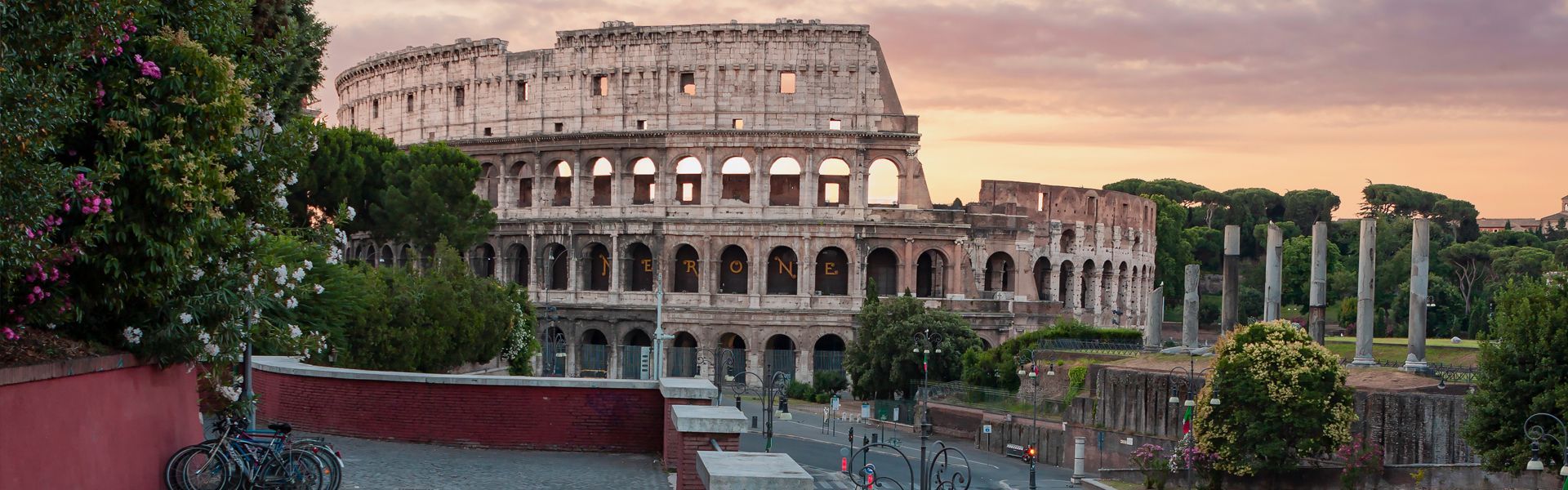
An ancient Rome private tour should go beyond the Colosseum and explain how the city actually functioned. The Roman Forum, Palatine Hill, Appian Way, Baths of Caracalla, and Ostia Antica reveal politics, religion, private life, engineering, trade, and the scale of the ancient capital.
For first-time visitors, the Forum and Palatine are the natural companions to the Colosseum. The Appian Way and Baths of Caracalla add depth within Rome, while Ostia Antica works best as a separate half-day or day trip.
The right plan depends on how much time you have, how much walking you enjoy, and whether you want a broad introduction or a more specialized archaeological experience.
Ancient Rome Sites at a Glance
| Site | Best For | Time Needed | Best Paired With |
|---|---|---|---|
| Roman Forum | Politics, religion, and public life | 1.5–2 hours | Colosseum and Palatine |
| Palatine Hill | Imperial history and city views | 1–1.5 hours | Roman Forum |
| Appian Way | Roads, tombs, and landscape | Half day | Catacombs or countryside lunch |
| Baths of Caracalla | Engineering and public life | 1–1.5 hours | Aventine or Circus Maximus area |
| Ostia Antica | Trade, housing, and everyday Roman life | Half or full day | Dedicated excursion |
Why Is the Roman Forum Essential?
The Roman Forum was the center of political, religious, and civic life.
Today, its ruins can be difficult to interpret without guidance. Temples, basilicas, arches, and public spaces overlap across a large archaeological area, and many buildings survive only in fragments.
A private guide can explain how the Senate, courts, religious ceremonies, public speeches, and commercial activity operated within the same zone. This context turns the Forum from a field of ruins into a recognizable urban center.
The Forum should not be rushed. Pairing it with the Colosseum works well, but adding several distant monuments afterward usually creates an exhausting day.
What Does Palatine Hill Add?
Palatine Hill adds the story of imperial power and elite life.
According to Roman tradition, the hill was connected to the city’s earliest origins. It later became associated with imperial residences and commanding views over the Forum and Circus Maximus.
The site helps travelers understand the physical relationship between public Rome below and the residences of emperors above. Its open spaces and uneven surfaces also make it a demanding addition to a Colosseum and Forum visit.
Travelers with limited mobility or time should discuss the route with their guide before the tour begins.
Is the Appian Way Worth Visiting?
Yes, particularly for travelers who want ancient history outside the dense city center.
The Appian Way shows Rome as a network of roads, tombs, estates, and landscapes rather than a collection of central monuments. Sections of the ancient road remain visible, and the surrounding area creates a strong contrast with the traffic and stone streets of central Rome.
A private driver and guide can help connect selected archaeological stops without trying to cover the entire route. Depending on the itinerary, the day may also include catacombs, countryside scenery, or a nearby lunch.
The Appian Way is a strong fourth- or fifth-day experience after the Colosseum and Forum.
Why Visit the Baths of Caracalla?
The Baths of Caracalla reveal the scale of Roman engineering and the social importance of public bathing.
These complexes were not simply places to wash. They included spaces for exercise, conversation, relaxation, and public life. The surviving structures make it easier to imagine their original size than at many more fragmented sites.
The baths are less complicated to tour than the Forum and can work well for travelers who want a substantial ancient site without another full morning of dense archaeology.
They pair naturally with the Aventine, Circus Maximus area, or a quieter afternoon elsewhere in Rome.
DaVinci Custom Travel & Tours can sequence these sites according to your hotel location, walking ability, available time, and level of interest in Roman history.
Is Ostia Antica Worth the Trip?
Ostia Antica is one of the best ancient-Rome experiences for travelers who want to understand everyday urban life.
The site preserves streets, apartment buildings, shops, baths, temples, warehouses, and public spaces connected to Rome’s former port. Its layout often makes ancient life easier to picture than isolated monuments in the capital.
Ostia Antica deserves at least a half day. It should not be squeezed into the afternoon after the Vatican or Colosseum.
The site works particularly well for repeat visitors, families with a strong interest in history, and travelers who prefer a broad archaeological landscape.
Which Ancient Rome Sites Belong Together?
The strongest combinations are geographical and thematic.
Colosseum, Roman Forum, and Palatine Hill form one connected central-Rome experience. Keep the rest of that day light.
Baths of Caracalla and the Aventine work well as a quieter half day.
The Appian Way deserves its own focused route, especially when transportation and additional stops are involved.
Ostia Antica should be treated as a separate excursion rather than an add-on.
Trying to combine all five sites in one or two days defeats the purpose of private touring. Ancient Rome becomes more meaningful when each area has enough time and explanation.
Is a Private Guide Worth It for Ancient Rome?
Yes, especially at the Forum, Palatine, Appian Way, and Ostia Antica.
A private guide can:
- Connect buildings to daily Roman life
- Adjust the depth of explanation
- Build a route around your interests
- Reduce unnecessary backtracking
- Adapt the pace for families or older travelers
- Explain what is original, reconstructed, or missing
- Place each site within the wider history of Rome
Private guiding does not eliminate crowds or physical demands. Its value is clarity, focus, and a more coherent experience.
Frequently Asked Questions About Ancient Rome Tours
What should you see besides the Colosseum?
Prioritize the Roman Forum and Palatine Hill, then consider the Appian Way, Baths of Caracalla, or Ostia Antica.
Can the Forum and Palatine be visited together?
Yes. They form one connected archaeological area and are commonly toured together.
How long should an ancient Rome private tour last?
Allow roughly three to four hours for the Colosseum, Forum, and Palatine. Specialized sites may require separate half-day tours.
Is the Appian Way suitable for first-time visitors?
Yes, but it usually fits best after the central ancient sites have been covered.
Is Ostia Antica better than Pompeii?
Neither is universally better. Ostia Antica is easier to include from Rome, while Pompeii has a different historical setting and requires more travel.
Are ancient Rome sites accessible?
Accessibility varies. Uneven surfaces, stairs, slopes, heat, and long walking distances may be involved, so the route should be reviewed before booking.
Plan an Ancient Rome Tour
DaVinci Custom Travel & Tours can arrange an ancient Rome private tour that connects the Colosseum with the Forum, Palatine Hill, Appian Way, Baths of Caracalla, or Ostia Antica at a realistic pace. Plan a route that explains how ancient Rome worked rather than simply adding more ruins to the day.
Contact Us