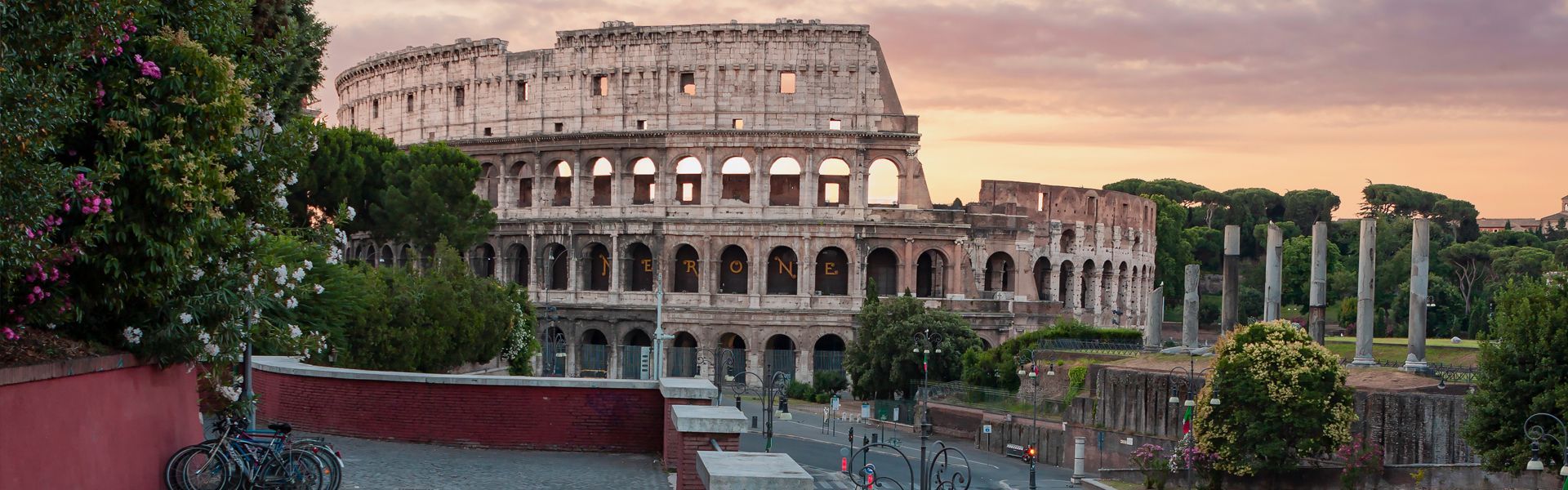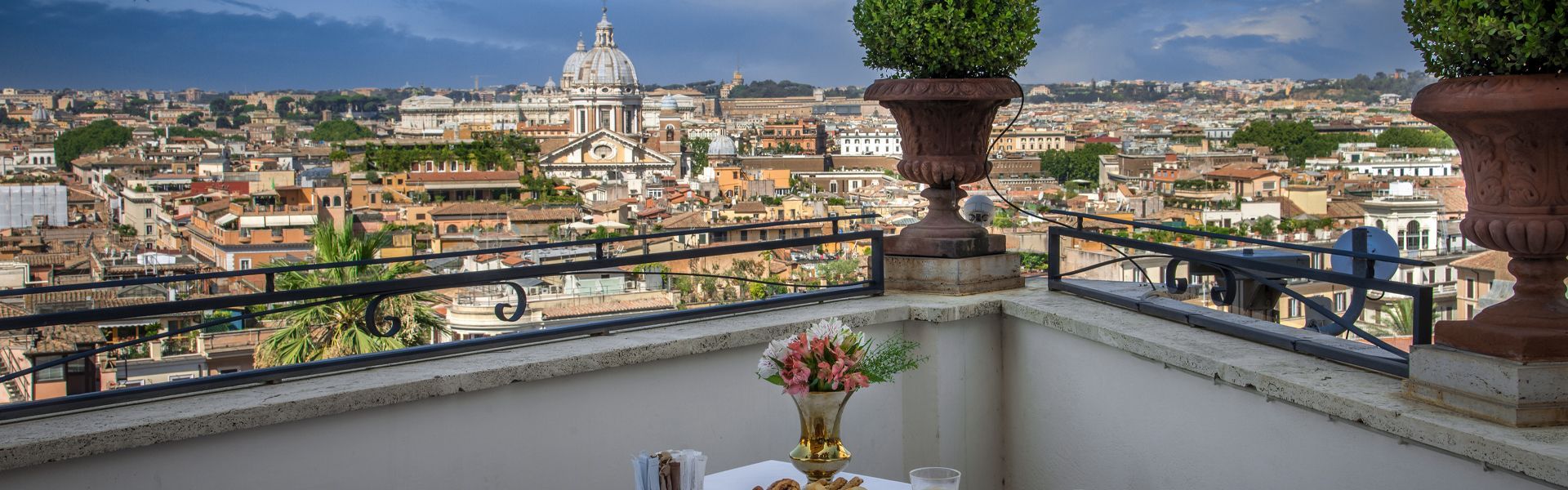
The Complete Luxury Travel Guide to Rome

A luxury Rome stay is not about filling every hour with monuments. It is about seeing the city with the right guides, choosing a hotel that reduces unnecessary travel, and leaving enough time to enjoy Rome between reservations. For most first-time visitors, three to four nights provide a strong introduction, while five nights allow for slower neighborhoods, food experiences, and a day beyond the historic center.
Rome’s historic core holds layers of ancient, papal, Renaissance, Baroque, and modern life within a surprisingly walkable area. The city is best approached in focused sections rather than as one enormous checklist.
Luxury Rome Travel at a Glance
| Planning Question | Best Starting Point |
|---|---|
| How long to stay | 3–5 nights |
| Best for first-time visitors | Historic center, Monti, Prati, or nearby central districts |
| Most valuable private tours | Ancient Rome, Vatican City, historic center |
| Best transportation mix | Walking, private transfers, taxis, selected public transit |
| Ideal daily pace | One major guided experience per half day |
| Best extension | Tivoli, Ostia Antica, Castelli Romani, or onward rail travel |
How Many Days Do You Need in Rome?
Three nights is the practical minimum for a first visit. That usually provides two full days, enough for one ancient Rome experience and one Vatican or historic-center day.
Four nights is more comfortable. It allows time for major sites without scheduling full-day tours back to back. Five nights works especially well for travelers who want neighborhood dining, food markets, smaller churches, galleries, or a day trip.
Rome becomes tiring when every day starts early and ends with another reservation. One major guided experience in the morning followed by lunch and an unstructured afternoon often creates a better trip than eight hours of continuous touring.
Where Should Luxury Travelers Stay in Rome?
The best neighborhood depends on what you want to walk to and how you plan to spend your evenings.
The historic center, including areas around the Pantheon, Piazza Navona, and the Spanish Steps, offers easy access to many major sights and restaurants. Monti provides character and convenient access to ancient Rome. Prati works well for Vatican-focused stays and travelers who prefer a more orderly residential feel. Trastevere is atmospheric after dark, although its busiest streets may not suit travelers seeking complete quiet.
Rome’s official tourism site divides the city into distinct districts, including Monti, Trastevere, Prati, the ancient center, Testaccio, and the areas around the Colosseum and Appian Way.
A grand hotel in the wrong location can weaken the entire itinerary. For a short stay, walking access and an uncomplicated return after dinner often matter more than having the largest possible room.
Which Private Rome Tours Are Worth It?
Private guiding adds the most value at places where history and context are difficult to absorb alone.
For a first visit, prioritize:
- Ancient Rome and the Colosseum area
- The Vatican Museums and St. Peter’s Basilica
- The Pantheon, Piazza Navona, and Baroque Rome
- A food-focused neighborhood walk
- A specialized art, architecture, or Jewish Rome tour
Avoid combining the Colosseum, Vatican, and historic center into one marathon day. These areas deserve separate attention, and Rome’s heat, crowds, stone streets, and security procedures can make ambitious schedules feel longer than expected.
A private guide should help you understand what you are seeing, not simply move you through a list of landmarks.
What Does a Well-Paced Rome Day Look Like?
A polished Rome day might begin with a private tour of ancient sites before the afternoon heat, followed by lunch and several open hours. Another day might pair the Vatican with a quieter evening in Prati or the historic center.
Rome is at its best in the spaces between formal visits: an espresso taken standing at the bar, late-afternoon light across a small piazza, or a walk after dinner when the streets have lost some of their daytime urgency.
This is where custom planning matters. DaVinci Custom Travel & Tours can balance major reservations with hotel location, walking distances, transportation, and the amount of unscheduled time you actually want.
How Should You Get Around Rome?
Walking is essential in the historic center, but not every destination is conveniently close. Private transfers and taxis are useful for airport arrivals, early tours, luggage days, and destinations outside the central walking zone.
Rome also has metro, bus, and tram services. ATAC offers hourly, daily, multiday, and weekly ticket options, along with mobile ticketing and journey-planning tools.
For travelers arriving at Fiumicino Airport, official transport options include trains, buses, taxis, private car services, and rental cars. The right choice depends on arrival time, luggage, hotel location, and comfort level.
What Should You Eat in Rome?
Roman cooking is direct, regional, and deeply tied to the city.
Travelers should look beyond a list of famous dishes and pay attention to neighborhood, season, and setting. A food experience might include a market visit, bakery stop, traditional pasta, Jewish Roman cooking, or an evening built around small plates and wine.
Testaccio, Trastevere, the historic center, and the Jewish Ghetto each offer different ways to understand the city through food. A good food tour should explain why dishes developed, not simply provide a sequence of tastings.
Which Day Trips Work From Rome?
Rome can support several strong day trips, but they should not replace time the city itself still needs.
Tivoli suits travelers interested in villas, gardens, and architecture. Ostia Antica offers an archaeological experience outside central Rome. Castelli Romani works well for countryside, food, and wine. Travelers continuing through Italy may be better served by adding another overnight destination instead of forcing a distant place into a day trip.
Frequently Asked Questions About Luxury Travel in Rome
Is Rome worth visiting for luxury travelers?
Yes. Rome offers exceptional private guiding, historic hotels, art, dining, and highly customized cultural experiences.
How many nights should first-time visitors spend in Rome?
Four nights is an excellent starting point. Three can work, while five allows a noticeably slower pace.
Is a private Vatican tour worth it?
It often is, especially for travelers who want focused interpretation and a tour shaped around their interests.
Do you need a private driver in Rome?
Not for every day. Private transfers are most useful for airport travel, luggage, early appointments, and destinations outside the center.
What is the best area to stay in Rome?
The historic center is the most convenient for many first-time visitors, but Monti, Prati, and Trastevere may fit different travel styles.
Can Rome be combined with Florence or the Amalfi Coast?
Yes. Rome connects naturally with Florence by high-speed train and with southern destinations through Naples and onward transfers.
Plan a Luxury Rome Stay
With more than 35 years of Italy planning experience, DaVinci Custom Travel & Tours can coordinate your Rome hotel, private guides, transfers, dining priorities, and onward itinerary. Plan a luxury Rome stay that covers the city’s essential history while leaving enough time to experience Rome at a human pace.
Contact Us