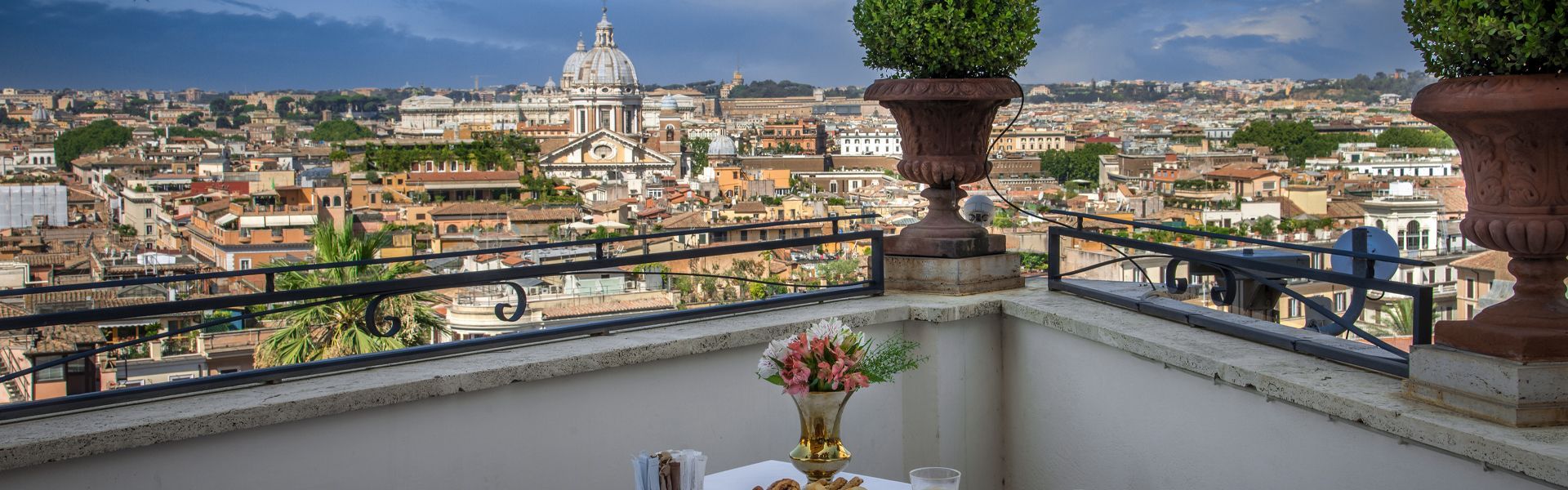
Rome Beyond the Main Attractions: Experiences for Repeat Visitors
The best hidden gems in Rome are not secret places with no visitors. They are experiences that reveal a different layer of the city after you have already seen the Colosseum, Vatican Museums, Trevi Fountain, and major piazzas.
For a second visit, slow the itinerary down. Choose one historically rich area each morning, spend more time in residential districts, and leave room for markets, gardens, and long lunches. Rome becomes more rewarding when you stop treating every day as a list of monuments.
Rome Beyond the Main Attractions at a Glance
| Experience | Best For | Why It Works on a Second Visit |
|---|---|---|
| Underground sites | Archaeology and layered history | Shows what exists beneath modern Rome |
| Historic villas and gardens | Art, architecture, and slower days | Adds green space and quieter cultural visits |
| Local markets | Food and daily life | Provides context beyond restaurant dining |
| Appian Way | Ancient history and landscape | Combines archaeology with open space |
| Testaccio and Ostiense | Food, modern culture, and local rhythm | Moves beyond the polished historic center |
| Aventine and residential Rome | Quiet walks and architecture | Offers a calmer side of the city |
Explore Rome Below Street Level
Underground Rome is one of the strongest choices for repeat visitors.
Across the city, later churches, streets, and buildings were constructed above earlier structures. Guided visits may include ancient houses, archaeological remains beneath religious buildings, catacombs, or spaces that reveal how Rome developed in layers.
These experiences benefit from a knowledgeable guide because the sites can be difficult to understand without historical context. They may also involve stairs, narrow passages, low lighting, and uneven surfaces, so accessibility should be confirmed in advance.
Rather than booking several underground sites in one day, choose one that fits your interests and pair it with time above ground in the surrounding neighborhood.
Spend Time in Rome’s Villas and Gardens
Rome’s villas and public gardens offer a welcome change after several days of museums, churches, and stone streets.
Depending on your interests, a villa visit may focus on formal gardens, art collections, architecture, or the history of the families connected to the property. Larger parks also work well for travelers who simply want space to walk without following a guided route.
A villa or garden morning can be paired with a neighborhood lunch and an independent afternoon. It is a better second-visit choice than adding another crowded attraction simply because it appears on a standard checklist.
Visit a Market With Context
Rome’s markets are most interesting when you understand who shops there, what is seasonal, and how the ingredients connect to Roman cooking.
Some markets primarily serve local residents, while others attract a larger number of visitors. A private food guide can help distinguish everyday shopping from stalls aimed mainly at tourism.
Markets work best as part of a wider neighborhood experience rather than as isolated sightseeing stops. Pair a market visit with a bakery, food shop, casual lunch, or discussion of traditional Roman dishes.
Testaccio is a natural choice for travelers interested in the connection between food and working-city history. Other districts can provide different perspectives on contemporary Roman life.
Follow the Appian Way Beyond Central Rome
The Appian Way offers a different version of ancient Rome: open landscapes, archaeological remains, historic roads, and sites spread beyond the dense center.
A private guide and driver can help create a focused route, especially when the day includes several locations that are not convenient to connect independently. Travelers should expect uneven surfaces and review the amount of walking before finalizing the itinerary.
The Appian Way works particularly well after a first visit focused on the Colosseum and Roman Forum. It extends the story of ancient Rome without repeating the same type of experience.
Explore Testaccio and Ostiense
Testaccio is a strong choice for food traditions, market culture, and a more grounded view of Roman daily life. It feels different from the polished streets near the Spanish Steps or Piazza Navona.
Nearby Ostiense offers another side of the city, with modern cultural spaces, industrial architecture, and a more contemporary urban character.
These districts are best explored with a clear theme. A food walk, architecture-focused tour, or guided neighborhood introduction creates more value than moving between scattered points without context.
DaVinci Custom Travel & Tours can combine these areas with private transportation, local guiding, and dining plans that fit the pace of a second-time Rome visit.
Walk Through the Aventine and Quieter Residential Areas
The Aventine offers quieter streets, historic churches, gardens, and a more restrained atmosphere than Rome’s busiest central districts.
It is well suited to a slower morning or late-afternoon walk, particularly for travelers who appreciate architecture and city views without needing another major museum.
Prati, parts of Trastevere away from the busiest dining streets, and residential areas beyond the historic center can also provide a better sense of how Rome functions outside its main visitor corridors.
The exact route matters. “Local Rome” is not one neighborhood, and no district should be treated as untouched by tourism. The goal is to experience a different pace, not to search for a place that visitors have somehow failed to discover.
How Should Repeat Visitors Plan Rome Differently?
A second visit should contain fewer timed reservations and more geographic focus.
Choose one major experience each morning, stay within the same part of the city for lunch, and leave at least two afternoons open. Consider staying in Prati, Testaccio, the Aventine, or a quieter part of Trastevere rather than returning automatically to the historic center.
Repeat visitors can also build the trip around a personal interest such as archaeology, gardens, architecture, food, sacred art, or modern Rome. A clear theme often produces a more memorable itinerary than a random collection of lesser-known sites.
Frequently Asked Questions About Hidden Gems in Rome
What should you see in Rome on a second visit?
Focus on underground sites, villas, markets, the Appian Way, and districts such as Testaccio, Ostiense, and the Aventine.
Are Rome’s hidden gems actually uncrowded?
Not always. Less-famous places may still be busy, but they generally offer a different experience from the city’s headline attractions.
Is the Appian Way worth visiting?
Yes, especially for travelers interested in archaeology, ancient roads, and a more open landscape outside central Rome.
Which Rome neighborhood is best for food?
Testaccio is a strong option for travelers interested in Roman food traditions and market culture.
Are underground Rome tours suitable for everyone?
Not necessarily. Some sites involve stairs, narrow spaces, low lighting, and uneven surfaces.
How many days do repeat visitors need in Rome?
Four or five days provides enough time for neighborhoods, specialized tours, gardens, and slower meals without repeating a first-visit itinerary.
Plan a Second-Time Rome Visit
DaVinci Custom Travel & Tours can design a second Rome itinerary around the interests you want to explore more deeply, from underground archaeology and historic villas to food districts and the Appian Way. Plan a return visit that moves beyond the familiar landmarks and gives Rome time to reveal a different side.
Contact Us