Capitoline Museums Tour | Private Guided Experience in Rome
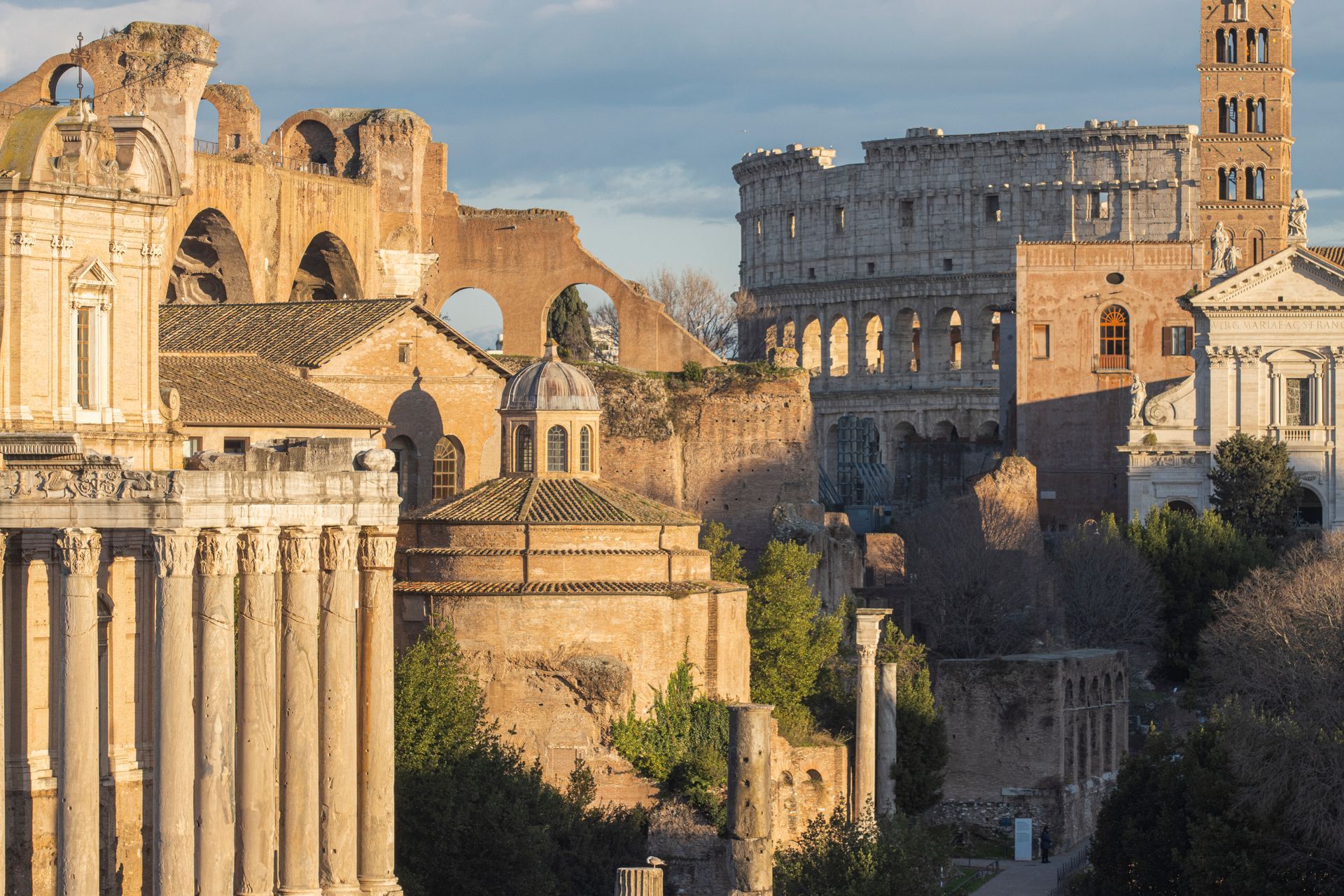
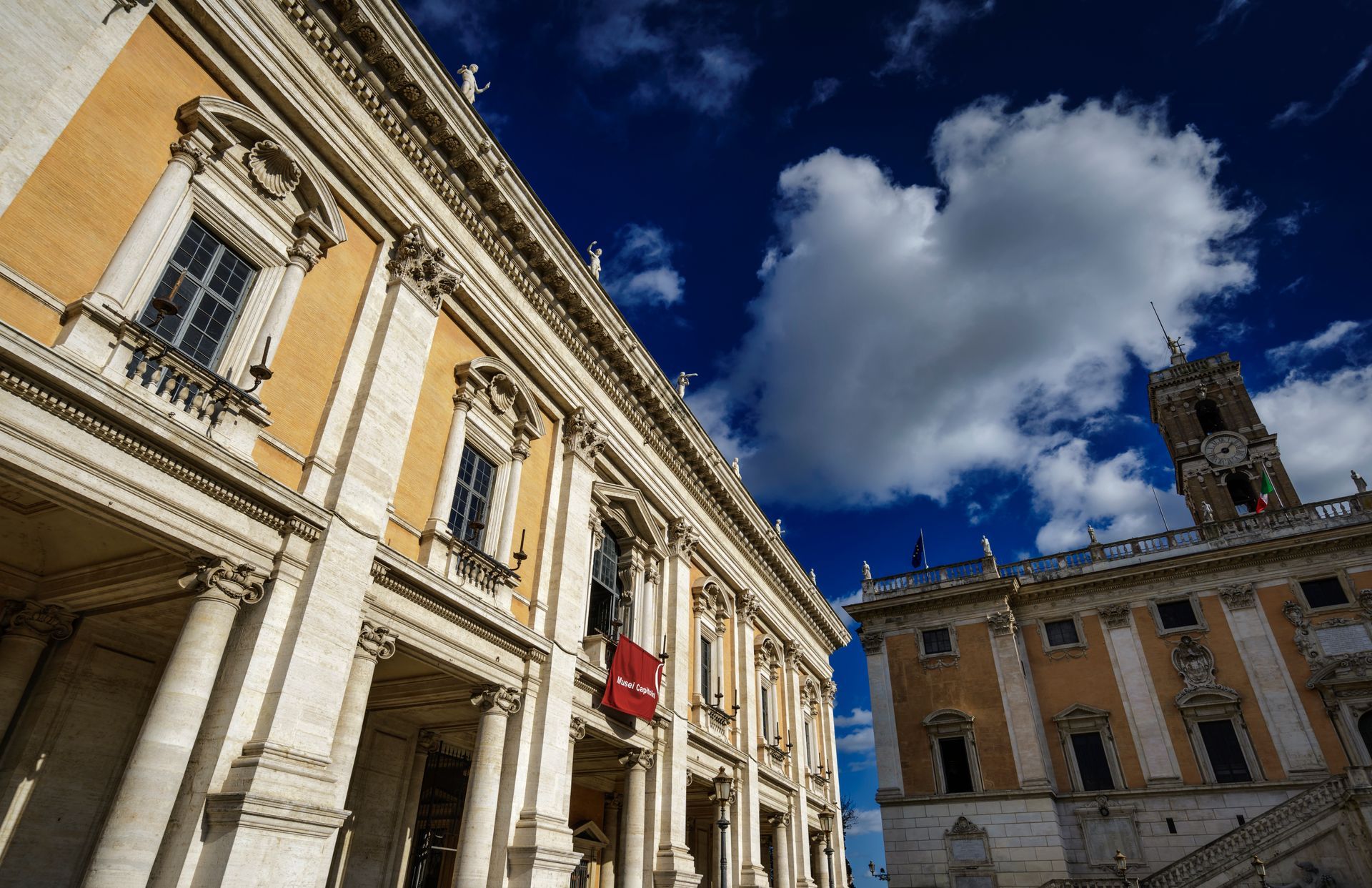
The Capitoline Museums bring together one of the most important collections of ancient sculpture, set within historic palaces overlooking the Roman Forum.
Duration: 2
hours |
Group Size: Private experience |
Location: Piazza del Campidoglio, Rome
Quick Notes
- Duration: 2 hours
- Group Size: Private experience
- Tour Type: Guided museum tour
- Location: Piazza del Campidoglio, Rome
- Meeting Point: Piazza Campidoglio
- Best For: Travelers interested in ancient history and sculpture
- Key Highlight:
The Dying Gaul and Capitoline Wolf
Tour Overview
This experience focuses on exploring one of Rome’s most significant collections of ancient statuary in a structured and manageable way.
The Capitoline Museums are arranged across interconnected palaces, allowing the visit to move gradually through courtyards, galleries, and halls. The layout helps organize a large collection into a clear path, making it easier to follow with a private guide.
The collection includes works from multiple civilizations, but the emphasis remains on Roman history. Sculptures, mosaics, and artifacts are presented in a way that connects individual pieces to broader historical narratives.
What You’ll Experience
Piazza del Campidoglio
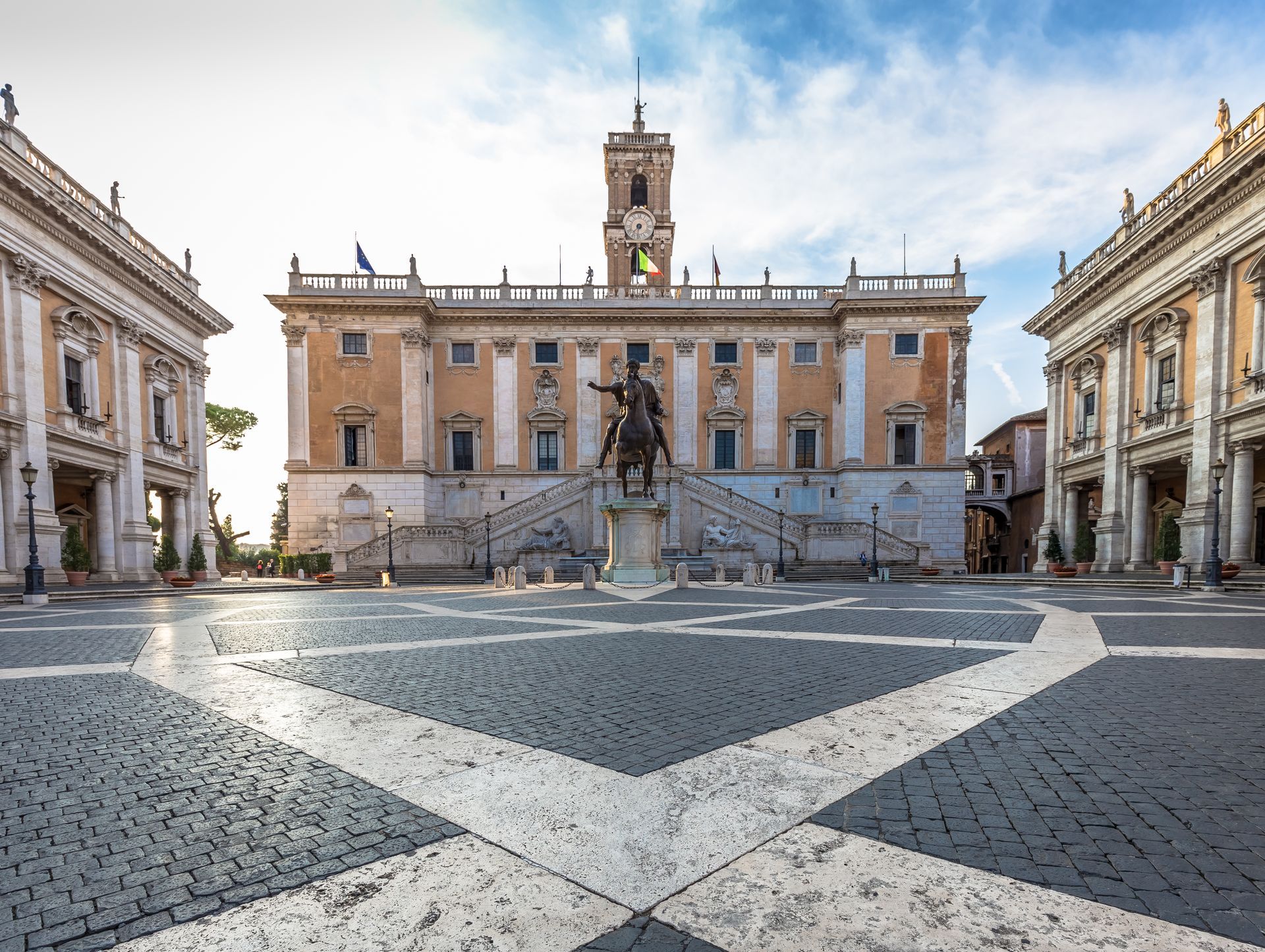
The experience begins in Piazza Campidoglio.
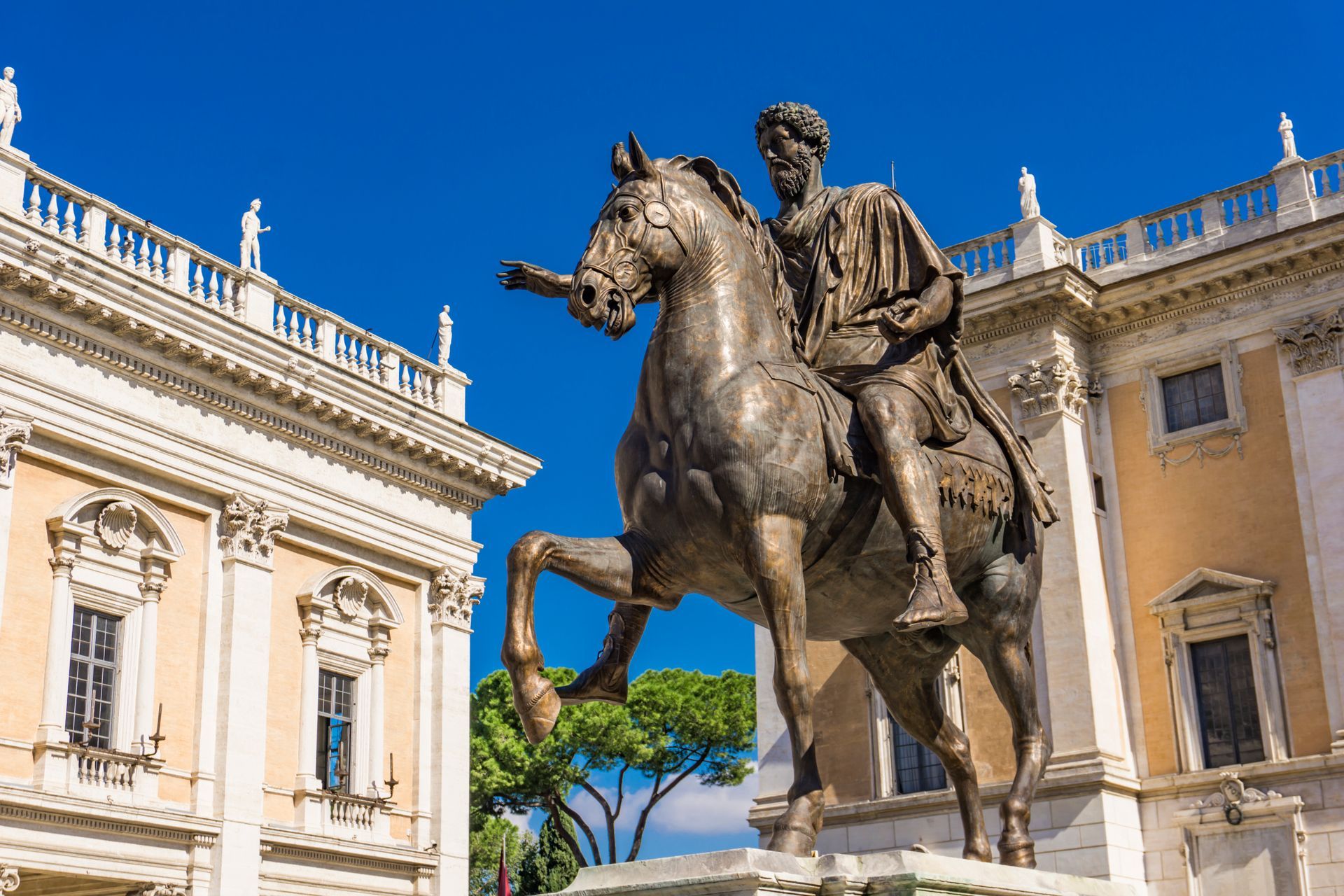
Designed by Michelangelo, the square introduces the setting before entering the museum. At its center stands a replica of the equestrian statue of Marcus Aurelius, with the original preserved inside.
Courtyard and Constantine Fragments
Inside the museum, the courtyard holds the remains of a colossal statue of Emperor Constantine.
Fragments such as the head, hands, and feet provide a clear sense of scale and how imperial figures were represented.
Galleries of Ancient Sculpture
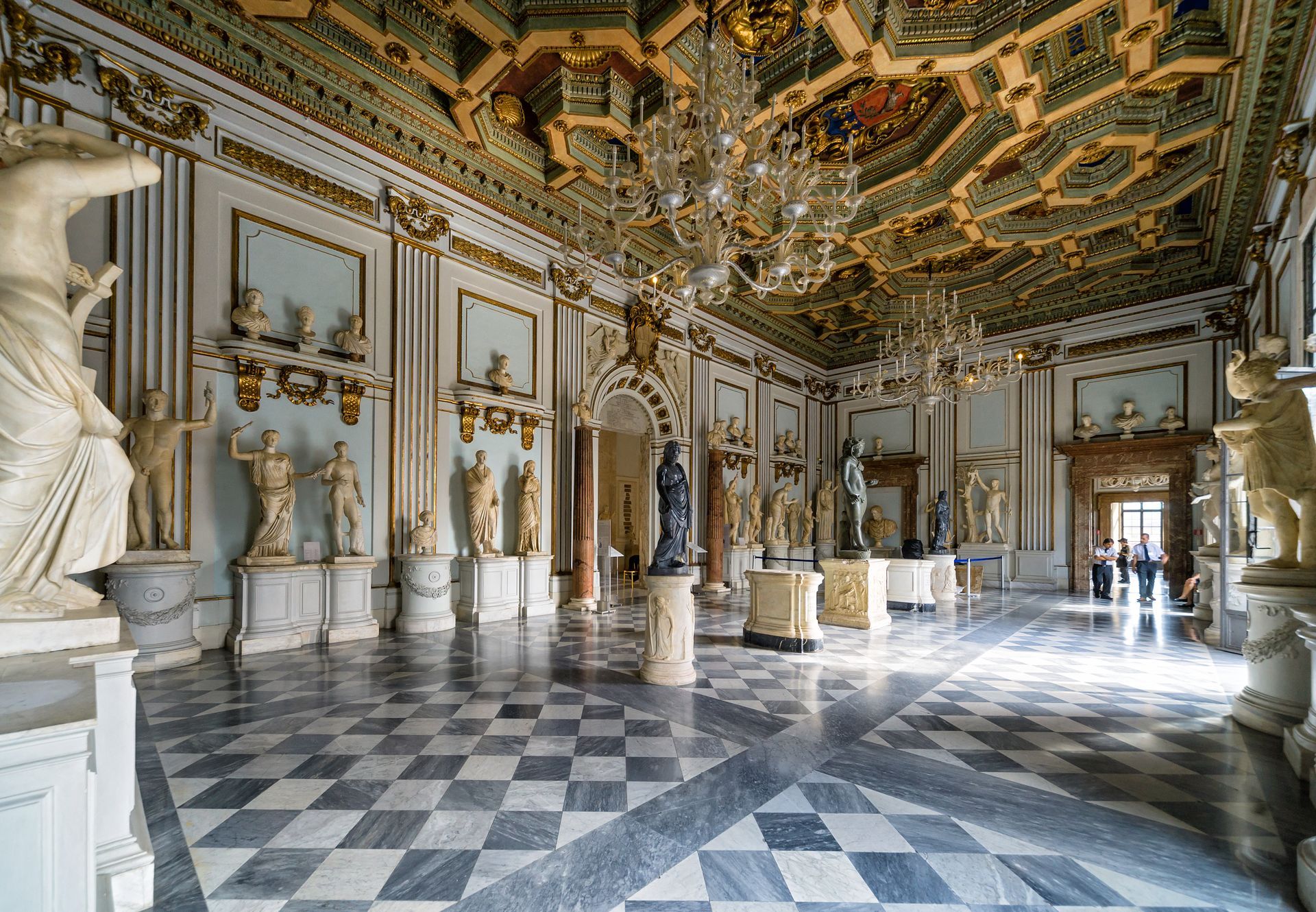
The route continues through marble halls and galleries.
These spaces include statues of emperors, philosophers, mythological figures, and historical figures, creating a broad view of ancient society.
The Dying Gaul
The Dying Gaul is one of the most recognized sculptures in the collection.
It depicts a wounded warrior leaning against his shield in a moment of defeat. Although created to represent a Roman victory, the figure is presented with a level of realism that focuses on the individual.
Capitoline Wolf
The Capitoline Wolf shows the she-wolf nursing Romulus and Remus, central figures in Rome’s founding legend.
According to tradition, the twins were abandoned and raised by a wolf before Romulus went on to found the city.
Marcus Aurelius Statue
The original equestrian statue of Marcus Aurelius is one of the few surviving bronze statues from ancient Rome.
It remained preserved largely because it was believed during the Middle Ages to represent Emperor Constantine.
Halls of Emperors and Philosophers
The visit continues through halls dedicated to historical figures.
Busts and statues represent emperors and thinkers, connecting individuals to broader historical developments.
Mythological Works
The collection includes works such as the Capitoline Venus and the Flaying of Marsyas.
These sculptures reflect mythological themes and artistic traditions across different periods.
Subterranean Passage
A passage connects parts of the museum beneath the surface.
Here, inscriptions and artifacts provide insight into daily life, including references to public figures and athletes.
Views Over the Roman Forum
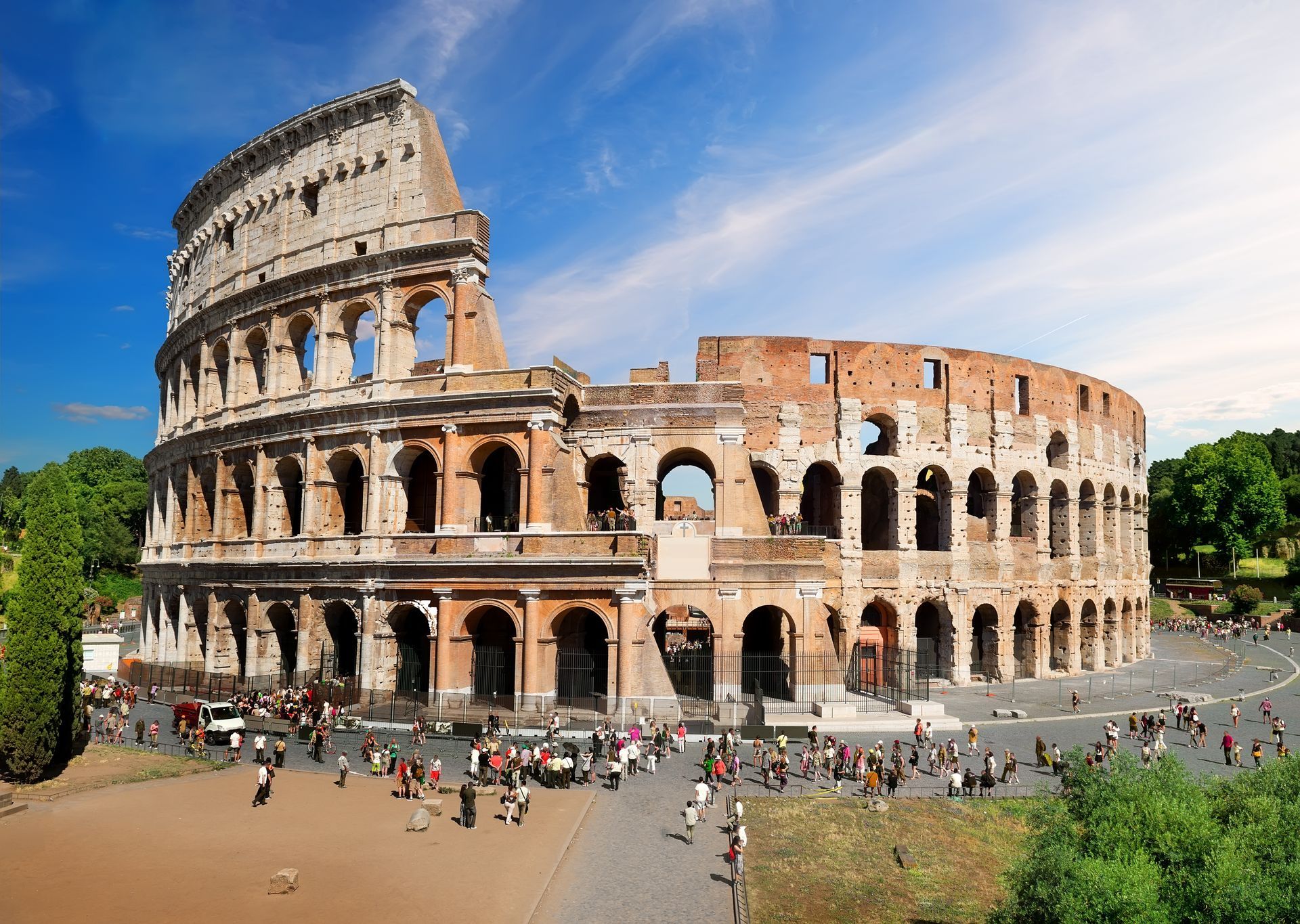
Toward the end of the visit, viewpoints overlook the Roman Forum and surrounding landmarks.
This provides a visual connection between the museum collection and the city’s ancient landscape.
What’s Included
- Private English-speaking tour guide
- Timed entrance tickets to the Capitoline Museums
- Guided visit through Michelangelo’s twin palaces
- The Dying Gaul
- The Capitoline Wolf (She-Wolf of Rome)
- Original equestrian statue of Marcus Aurelius
- Colossal fragments of Emperor Constantine (head, hands, feet)
- Hall of Emperors and Hall of Philosophers
- Bernini’s Medusa
- Statue of Marforio
- Capitoline Venus and Flaying of Marsyas
- The ancient Roman Tabularium
- Subterranean passage with historical inscriptions
- Panoramic views over the Roman Forum and Colosseum
Important Notes
- Comfortable footwear is recommended
- The tour involves walking and standing throughout
- Entry times may vary based on ticket availability
- Photography rules may vary inside the museum
- Private tours allow flexible pacing
Is This Right for You?
This experience is well suited for travelers who want a structured and guided visit through one of Rome’s most important museum collections.
It is especially valuable for those interested in ancient history and sculpture presented with clear context.
Plan Your Experience
For those looking to explore ancient Rome through its art and artifacts, this tour offers a focused and organized way to navigate a large collection.
At
DaVinci Custom Travel & Tours, the focus is on selecting experiences that are easy to follow and worth your time.
FAQs – Capitoline Museums Tour
What are the Capitoline Museums known for?
The Capitoline Museums are known for their collection of ancient Roman sculptures, including the Dying Gaul, Capitoline Wolf, and the statue of Marcus Aurelius.
Are the Capitoline Museums worth visiting in Rome?
Yes, they offer one of the most important collections of ancient art in Rome, along with views overlooking the Roman Forum and Colosseum.
How long does a Capitoline Museums tour take?
Most guided visits last about 2 hours, covering the main galleries and highlights of the collection.
Do I need tickets in advance for Capitoline Museums?
Yes, booking in advance is recommended, as timed entry helps manage visitor flow and ensures availability.
Where are the Capitoline Museums located?
They are located on Capitoline Hill in Piazza del Campidoglio, overlooking the Roman Forum in central Rome.
What will I see inside the Capitoline Museums?
You will see ancient sculptures, artifacts, and galleries featuring emperors, mythological figures, and historical works from Rome, Greece, and Egypt.
Contact Us